135 Years of
Grace in the Midlands

A congregation rooted in the Lutheran tradition, shaped by Chapin, and genuinely open to everyone who walks through the door.

Founded in 1891.
Still Growing.

Mt. Horeb Lutheran Church was founded in 1891 by the Rev. W. L. Darr with a single conviction: that the Gospel is for everyone. Over 135 years, that conviction has never wavered — only deepened.

What started as a small congregation serving the farming families of Chapin, South Carolina has grown into a vibrant, multigenerational community with deep roots and genuine welcome for newcomers.

We've walked with this community through growth and change, loss and celebration, decades of Sundays and every kind of season in between. We're not going anywhere — and there's always room for more.
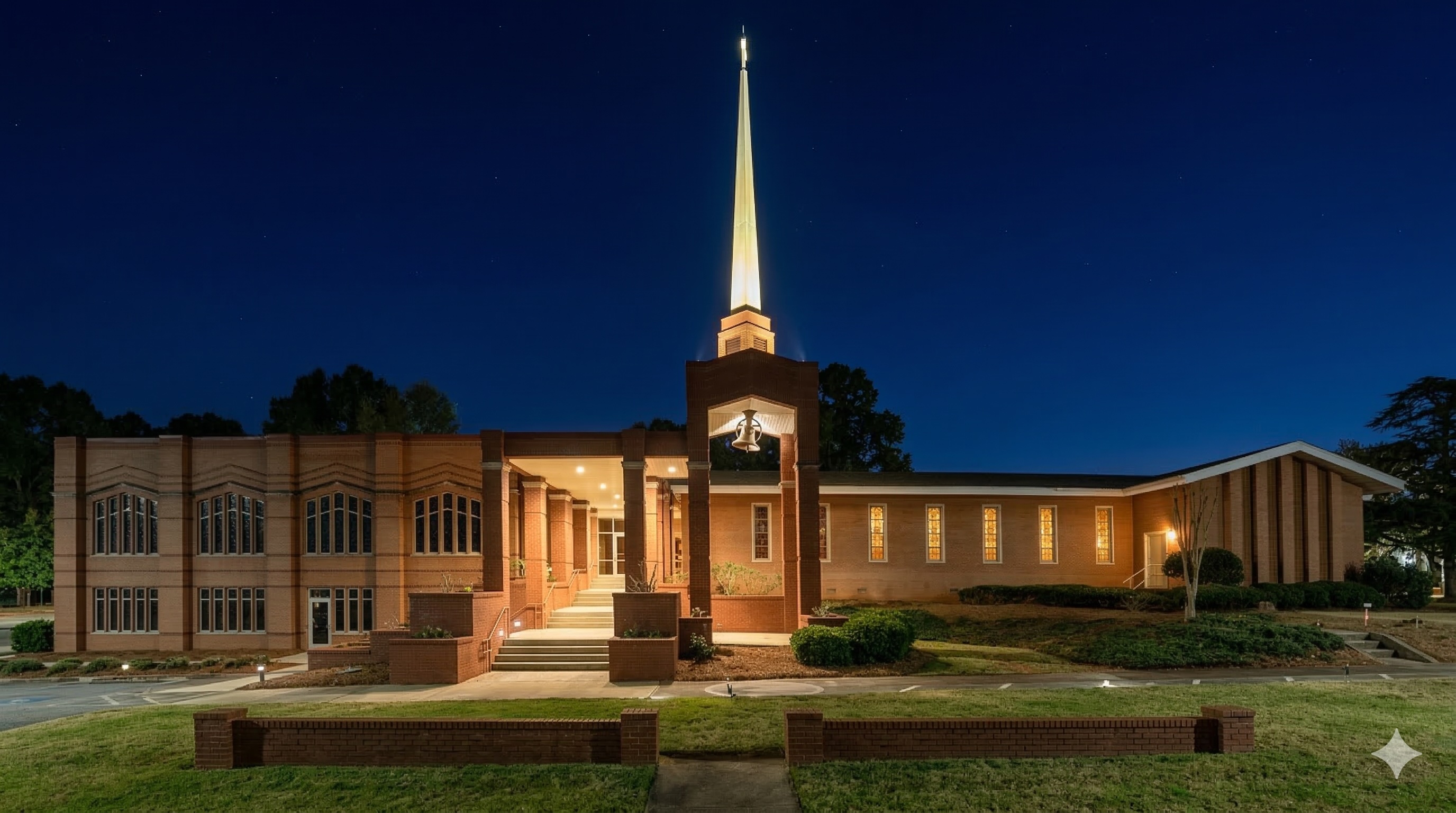
Mt. Horeb Lutheran Church, Chapin SC
1891
Year Founded
"Experiencing & Sharing God's Presence"

That's not a marketing line — it's a description of what we actually try to do every Sunday, every week, in every ministry. We experience God's presence together in worship. We share it with the community around us. Everything else flows from that.

Our Theological Foundation

Mt. Horeb is a congregation of the Evangelical Lutheran Church in America (ELCA). Here's what that means in plain language.

Grace Above All

We believe salvation is God's gift — not something you earn by being good enough. That's the heart of Lutheran theology and the reason the door is always open here.

Scripture as Foundation

The Bible is central to everything we do — preaching, teaching, and forming our community life. We read it seriously, wrestle with it honestly, and let it shape us.

Sacraments as Grace

We celebrate Baptism and Holy Communion as real encounters with God's grace — not just rituals, but means through which God meets us and sustains us.

The Whole Person

Faith isn't just for Sundays. We believe God's presence is active in work, relationships, community, and service — and that the church exists to equip people for all of it.

Photo coming —
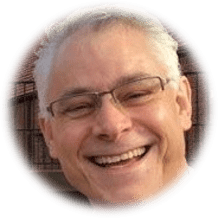
Pastor Ron Philabaum

Pastor Ron Philabaum

Senior Pastor, Mt. Horeb Lutheran Church

Pastor Ron Philabaum came to Mt. Horeb with a heart for people and a deep commitment to the Church's mission. Formed in the Lutheran theological tradition and shaped by years of pastoral ministry, he brings both theological conviction and genuine warmth to everything he does — whether he's in the pulpit, walking alongside a family through a difficult season, or grabbing coffee after Sunday service.

At Mt. Horeb, Pastor Ron has embraced Chapin not just as a place to serve, but as a community to belong to. He's been a visible presence in the life of this town through its milestones, its losses, and its growth. In his view, a church doesn't exist apart from its neighborhood — it exists for it.

If you're visiting for the first time, he'd love to meet you. Sunday mornings are a great place to start, but so is a cup of coffee. His door is open.

Send Pastor Ron a Message

How We Live Out Our Faith

These aren't slogans. They're the five things we organize our community life around.

01

Worship

Gathering every Sunday to encounter God together — in word, music, sacrament, and prayer.

02

Learn

Growing in faith through scripture, education, and honest conversation at every age and stage.

03

Witness

Living and sharing the Gospel — not with pressure, but with the confidence of people who've encountered something real.

04

Serve

Caring for our neighbors in Chapin and beyond — because faith without action is incomplete.

05

Support

Showing up for each other through every season — celebrating together and bearing one another's burdens.

We're Part of the ELCA

Mt. Horeb is a congregation of the Evangelical Lutheran Church in America — one of the largest Christian denominations in the United States, with a 500-year tradition rooted in the Reformation insights of Martin Luther.

Being ELCA means we're connected to a global network of churches, engaged in widespread social ministry, and committed to both theological depth and genuine openness to all people.

Learn more about the ELCA →